


Emerging Technologies and Precision Medicine
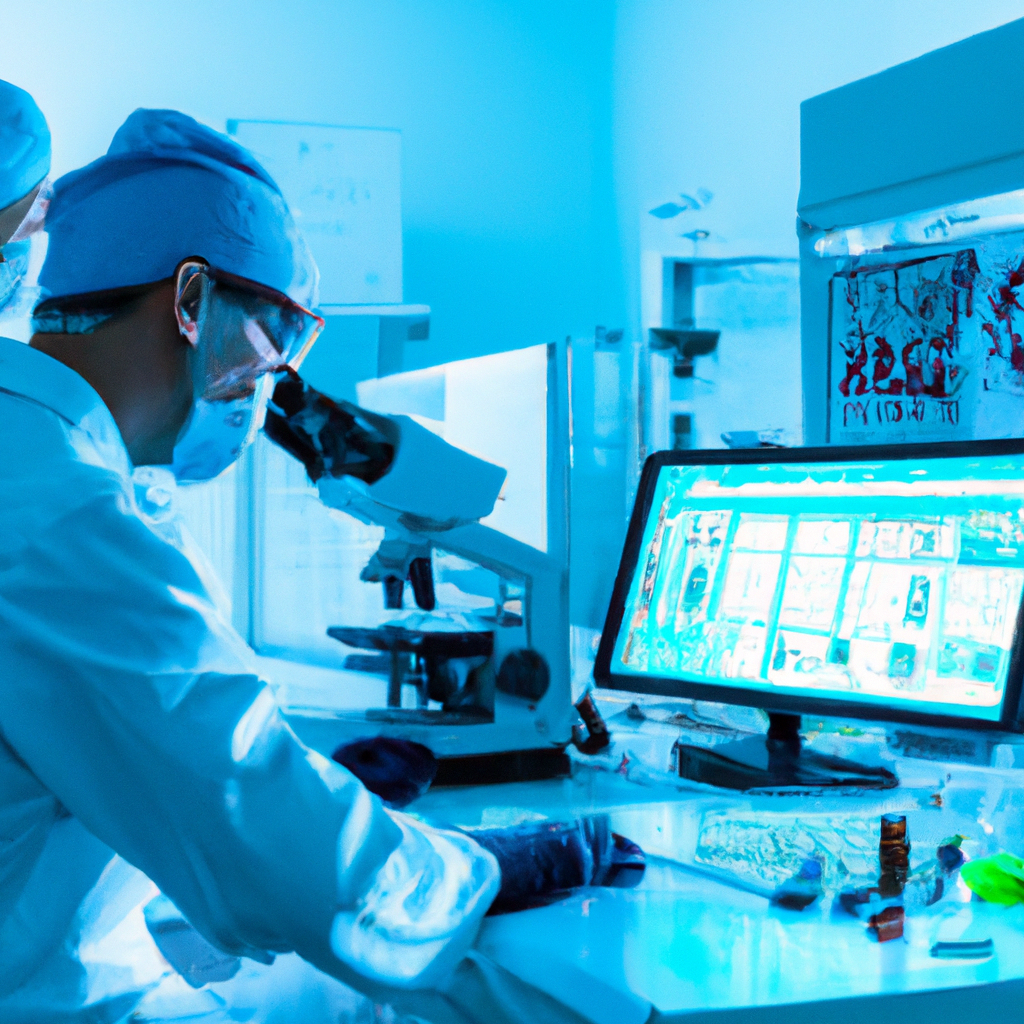
One of the most transformative shifts in oncology by 2025 is the integration of advanced technologies that enable truly personalized treatment plans. Liquid biopsies, for example, have become commonplace, allowing clinicians to detect circulating tumor DNA (ctDNA) in the bloodstream with high sensitivity. This non-invasive approach not only facilitates early diagnosis but also offers real-time monitoring of treatment response and detection of resistance mutations. The ability to adapt therapy dynamically, based on molecular changes, enhances efficacy and reduces unnecessary exposure to ineffective treatments.
Artificial intelligence (AI) and machine learning algorithms are also revolutionizing tumor profiling and drug discovery. Sophisticated data analysis platforms sift through vast genomic, proteomic, and clinical datasets to identify unique tumor signatures, predict patient response, and recommend tailored therapies. These systems are increasingly integrated into clinical workflows, reducing decision-making time and improving outcomes. Visual representations, such as heatmaps or neural network schematics, highlight how AI identifies patterns imperceptible to the human eye and accelerates the development of next-generation targeted agents.
Immunotherapy Advancements
Immunotherapy continues to dominate the landscape of oncology innovation in 2025. Breakthroughs in understanding tumor immune evasion mechanisms have led to novel approaches, including personalized cancer vaccines and next-generation immune checkpoint inhibitors. These therapies are designed to overcome resistance and broaden applicability across different tumor types.
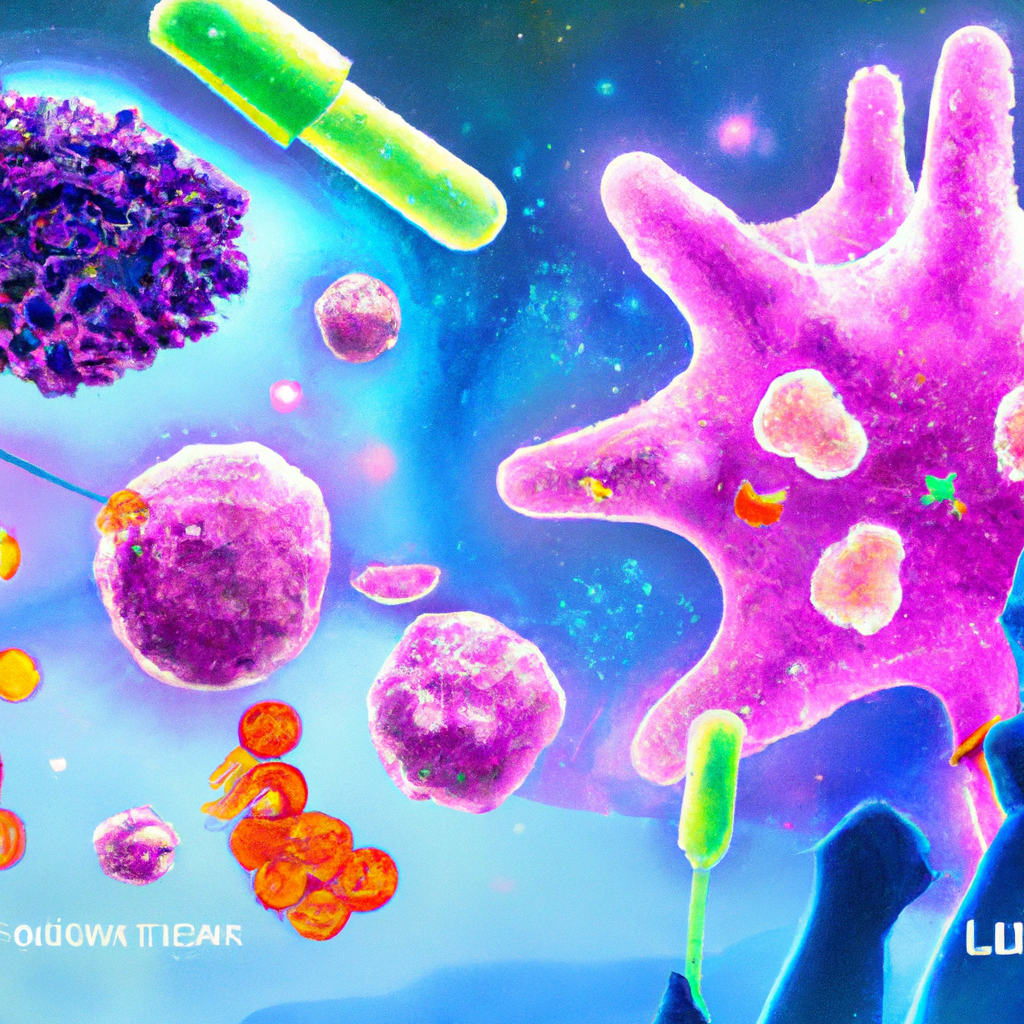
A promising area is the development of cell-based therapies, such as CAR-T cells, which are now being engineered to target solid tumors more effectively. Advances in gene editing technologies like CRISPR have allowed for the refinement of these therapies, improving safety profiles and persistence in the body. Accompanying imaging shows how modified T-cells are deployed into tumor sites, highlighting the precision and cellular action at play.
### Targeted Therapies and Drug Development
The rapid evolution of targeted therapies is crafting more selective and less toxic options for patients. The focus extends beyond traditional kinase inhibitors to include novel modalities such as PROTACs (proteolysis-targeting chimeras), which induce degradation of oncogenic proteins rather than just inhibition. These innovative drugs offer new hope for hard-to-treat cancers that have developed resistance to standard therapies.
Furthermore, expanded access to genomic testing allows for the identification of rare mutations and biomarkers, enabling clinicians to match patients with experimental drugs through precision oncology trials. Visuals depicting molecular pathways and drug-target interactions reinforce the concept of precision at the molecular level and illustrate how these therapies disrupt cancer cell survival pathways.
—
In sum, 2025 promises a future where cancer treatment is increasingly personalized, leveraging cutting-edge technology to improve survival and quality of life. As research continues to unlock the intricacies of tumor biology, the integration of innovative diagnostics, immunotherapies, and targeted agents will redefine standards of care across oncology.